
Best Chardonnay 2026: 15 Top-Rated Wines from Buttery Classics to Crisp Minerals
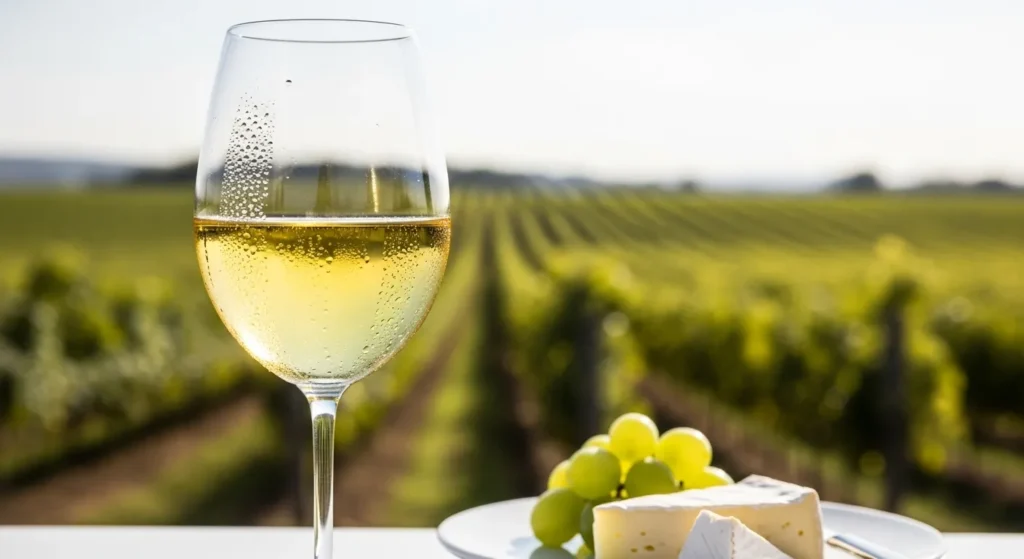
Best Chardonnay 2026 selections represent the pinnacle of this versatile grape's expression, offering a thrilling journey from opulent, oak-kissed styles to razor-sharp, terroir-driven bottles. As we navigate the 2026 landscape, the dichotomy between the rich, buttery classics and the vibrant, mineral selections has never been more exciting or defined. This guide cuts through the noise to present 15 meticulously chosen wines that exemplify the peak of quality and style for the year. Whether you're a seasoned collector seeking the next cult bottle or a curious enthusiast ready to explore, understanding the spectrum of the Best Chardonnay 2026 is key to unlocking a world of sophisticated pleasure.
Table of Contents
-
- Understanding the 2026 Chardonnay Landscape
- The 5 Unmissable Buttery Classic Chardonnays of 2026
- The 5 Defining Crisp & Mineral Chardonnays of 2026
- 5 Premium Value Picks: Exceptional Chardonnay Under $50
- The Ultimate Pairing & Serving Guide for 2026 Chardonnay
- Future Trends: Where Chardonnay is Headed Beyond 2026
- FAQ: Frequently Asked Questions about Best Chardonnay 2026
Understanding the 2026 Chardonnay Landscape
The world of Chardonnay is in a dynamic state of evolution as we move through 2026. Climate change continues to be a defining factor, with warmer regions experimenting with earlier harvests and higher altitude plantings to preserve crucial acidity, while classic cool-climate areas are experiencing more consistent ripening. This has led to an overall elevation in quality, but also a clearer stylistic split. Winemakers are now more intentional than ever, choosing a path of either embracing textural, malolactic-driven richness or pursuing a pure, lean, and site-specific expression. The consumer drive for transparency and authenticity means labels are more detailed about winemaking techniques, oak usage (or lack thereof), and precise vineyard origins.
Another significant trend shaping the Best Chardonnay 2026 offerings is the rise of sustainable, organic, and biodynamic practices. Top estates are not just touting these methods for marketing; they are seeing tangible impacts in the vineyard's health and the wine's complexity. This "less is more" philosophy in the vineyard often translates to "more is more" in the glass, with wines showing greater depth and mineral character. Furthermore, the use of neutral oak, concrete eggs, and amphorae is no longer a fringe experiment but a mainstream tool for producers aiming to highlight fruit purity and texture without the mask of new barrique.
For the collector and enthusiast, 2026 is a year of opportunity. The market has corrected slightly from the peaks of previous years, making some legendary bottles more accessible, while a new generation of boutique producers from emerging regions is offering stunning quality at attractive prices. Navigating this landscape requires a map, which this guide aims to provide. From the sun-drenched hills of California to the limestone cliffs of Chablis and the ancient soils of Australia's Margaret River, the quest for the definitive Best Chardonnay 2026 is a global pursuit.
Understanding the technical jargon is also key. Terms like "malolactic fermentation" (the process that converts sharp malic acid into softer lactic acid, contributing to a creamy texture), "lees aging" (contact with dead yeast cells that adds brioche and richness), and "minerality" (a tactile, stony quality often associated with specific soils) are essential in decoding a wine's profile. As we evaluate the top 15 selections, these concepts will illuminate why each wine stands out in its category.

The 5 Unmissable Buttery Classic Chardonnays of 2026
For those who crave opulence, texture, and a comforting warmth in their glass, the buttery classic style remains king. These wines are typically characterized by ripe stone fruit flavors, a pronounced creamy or buttery mouthfeel from full malolactic fermentation, and the sweet spice of well-integrated new French oak. They are wines of power and presence, perfect for special occasions or rich cuisine. The following five selections represent the absolute apex of this style in 2026, balancing their robust profiles with impeccable structure and length.
1. Kistler 'Les Noisetiers' Sonoma Coast 2024: While a 2024 release, this wine hits its stride in 2026, showcasing why Kistler is a benchmark. It offers a breathtaking nose of baked apple, poached pear, and toasted hazelnut. The palate is incredibly dense and layered, with a buttercream texture that is balanced by a surprising line of saline minerality. The oak is present but perfectly woven into the fruit, promising another decade of evolution.
2. Rombauer Carneros 2023: The quintessential buttery Chardonnay, Rombauer's 2023 release is a masterclass in hedonistic pleasure. Aromas of pineapple upside-down cake, brown butter, and vanilla bean lead to a lush, almost unctuous palate. It's a crowd-pleaser for a reason, offering immediate gratification and a long, spicy finish. It remains a definitive reference point for the style.
3. Leeuwin Estate 'Art Series' Margaret River 2021: From Australia's premier Chardonnay estate, the 2021 Art Series is a wine of monumental structure and precision. It combines classic Margaret River power—think white peach, citrus oil, and cashew—with a refined, satiny texture. The oak regime is meticulous, providing a framework of toast and spice without overwhelming the wine's vibrant core. It's a buttery classic with an athletic build.
4. Aubert 'Lauren Vineyard' Sonoma Coast 2023: Mark Aubert crafts some of California's most sought-after and age-worthy Chardonnays. The Lauren Vineyard 2023 is remarkably concentrated, with layers of lemon curd, brioche, and marzipan. The signature is its texture: incredibly rich and viscous, yet lifted by a laser beam of acidity that makes it feel weightless. This is a Best Chardonnay 2026 contender for the cellar.
5. Domaine Leflaive 'Les Folatières' 1er Cru Puligny-Montrachet 2022: From the hallowed ground of Burgundy, this wine redefines "buttery" with elegance. It's not overtly creamy; instead, it presents a textural silkiness that coats the palate. Flavors of ripe yellow apple, acacia flower, and a subtle, struck-match reduction are framed by a discreet touch of oak. It’s a profound, complex wine that demonstrates how power can be expressed with grace.
What Defines a Buttery Chardonnay?
The hallmark of a buttery Chardonnay is diacetyl, a natural compound produced during malolactic fermentation (MLF) that gives the wine its signature buttery or butterscotch aroma and flavor. When combined with aging on the lees in new oak barrels, this process creates a wine with a creamy, rounded mouthfeel, flavors of baked fruit, vanilla, and toast, and a generally fuller body. The skill lies in managing these elements so the wine remains balanced and fresh, not cloying or overly alcoholic.

The 5 Defining Crisp & Mineral Chardonnays of 2026
At the opposite end of the spectrum lies the crisp, mineral-driven style of Chardonnay, a category that has gained massive traction among sommeliers and wine lovers seeking refreshment and terroir transparency. These wines often undergo little to no malolactic fermentation, are aged in neutral vessels (old oak, concrete, steel), and emphasize acidity, lean fruit profiles, and a distinct stony, saline, or flinty character. They are wines of place, energy, and precision. Here are five that define this exhilarating style in 2026.
1. Domaine William Fèvre 'Les Clos' Grand Cru Chablis 2022: The ultimate expression of Chablis' Kimmeridgian limestone, 'Les Clos' is a monument to minerality. The 2022 is taut and electric, with searing acidity driving flavors of green apple, wet stone, and crushed seashell. It's powerful without weight, with a crystalline purity and a finish that seems to last for minutes. This is a benchmark for the Best Chardonnay 2026 in the crisp category.
2. Littorai 'Charles Heintz Vineyard' Sonoma Coast 2023: Ted Lemon's Littorai wines are legends of balance. The Charles Heintz bottling is a study in cool-climate California Chardonnay. Aromas of white flowers, pear skin, and lemon zest lead to a palate that is intense yet light on its feet. The acidity is vibrant, the texture is sleek, and a pronounced stony minerality runs through the core. Oak is virtually undetectable.
3. Pyramid Valley 'Lion's Tooth' Chardonnay Canterbury 2024 (NZ): From New Zealand's South Island, this biodynamic gem is thrilling. It smells of ripe lemon, chamomile, and wet wool. On the palate, it's all tension and drive, with racy acidity and a pronounced flinty, almost smoky character. It's complex, savory, and incredibly refreshing, challenging all preconceptions of New World Chardonnay.
4. Domaine de Montille 'Le Clos du Château' Puligny-Montrachet 2022: From a renowned red wine producer excelling in whites, this Puligny is remarkably precise. It offers subtle notes of citrus, white peach, and a hint of anise. The magic is in the texture—fine, chiseled, and incredibly long—and the overwhelming sensation of crushed limestone. It's a Burgundy of finesse and restraint.
5. Ceritas 'Escarpa Vineyard' Cienega Valley 2023: From a cool, coastal-influenced site in California, Ceritas produces Chardonnays of Burgundian soul. The Escarpa Vineyard wine is nervy and aromatic, with scents of citrus blossom, fennel, and sea spray. The palate is linear and focused, with bright acidity and a stunning saline finish that begs for oysters. It’s a profound New World interpretation of mineral-driven Chardonnay.
5 Premium Value Picks: Exceptional Chardonnay Under $50
Exceptional quality doesn't always command a triple-digit price tag. The 2026 market is rich with overachieving Chardonnays that deliver complexity, typicity, and drinking pleasure at a friendly price. These five value champions prove that you can explore both the rich and crisp styles of the Best Chardonnay 2026 without stretching your budget. They are perfect for weekly enjoyment, by-the-case purchases, or introducing friends to the wonders of well-made Chardonnay.
1. La Crema Sonoma Coast Chardonnay 2023: Consistently reliable, La Crema's Sonoma Coast bottling offers a beautiful middle ground. It has a touch of creamy oak and ripe apple flavor but is tempered by bright acidity and a clean, citrusy finish. It's well-made, approachable, and a fantastic all-arounder.
2. Domaine des Malandes Chablis 1er Cru 'Les Lys' 2022: This Premier Cru Chablis offers incredible value. It has the classic steely structure, green apple fruit, and wet stone minerality of the region, with just a touch more flesh and roundness than a basic Chablis. It’s a brilliant introduction to the mineral style.
3. Shaw + Smith M3 Chardonnay Adelaide Hills 2024: From Australia's cool Adelaide Hills, the M3 is a modern classic. It's lean, crisp, and focused, with flavors of white nectarine, grapefruit, and a subtle flinty note. Fermented and aged in French oak (only 20% new), it adds texture without sweetness, making it a versatile and sophisticated choice.
4. Flowers 'Sonoma Coast' Chardonnay 2023: Flowers is known for ethereal, coastal-influenced wines. Their Sonoma Coast Chardonnay is light on its feet, with aromas of jasmine, lemon, and sea breeze. The palate is vibrant and saline, with a silky texture and a long, clean finish. It’s elegance in a bottle.
5. Louis Jadot Pouilly-Fuissé 2022: A staple of the Burgundy aisle, Jadot's Pouilly-Fuissé from the great 2022 vintage is a standout. It offers ripe stone fruit flavors, a hint of buttery richness, and a underlying stony minerality, all wrapped in a round, satisfying package. It delivers a true taste of Burgundy at a friendly price.
Comparison: Buttery vs. Crisp Chardonnay Profiles
| Characteristic | Buttery Classic Chardonnay | Crisp Mineral Chardonnay |
|---|---|---|
| Primary Aromas/Flavors | Baked apple, peach, pineapple, vanilla, butter, toast, crème brûlée | Green apple, lemon, pear, wet stone, flint, sea salt, white flowers |
| Mouthfeel & Texture | Full-bodied, creamy, rich, viscous, rounded | Light to medium-bodied, lean, crisp, racy, sometimes taut |
| Oak Influence | Pronounced (often new French oak) | Minimal to none (neutral oak, steel, concrete) |
| Acidity | Moderate to low, softened by MLF | High and prominent |
| Typical Regions | Napa Valley, warmer parts of Sonoma, Margaret River (AUS) | Chablis (FR), Sonoma Coast (cool sites), Adelaide Hills (AUS), Burgundy (some) |
| Ideal Pairing | Lobster with butter sauce, roasted chicken, creamy pasta | Oysters, grilled fish, sushi, goat cheese, salads |

The Ultimate Pairing & Serving Guide for 2026 Chardonnay
To fully appreciate the Best Chardonnay 2026, proper serving and pairing are non-negotiable. Temperature is the most critical factor: a buttery Chardonnay served too cold will mute its aromas and accentuate bitterness, while a crisp Chardonnay served too warm will taste flabby. Aim for 50-54°F (10-12°C) for crisp styles and 54-58°F (12-14°C) for richer styles. Use large, bowl-shaped glasses to allow the complex aromas to develop, swirling gently to release volatile compounds.
Food pairing is where Chardonnay's versatility shines. For the opulent, buttery classics, think rich, creamy, or fatty dishes that can match the wine's weight and texture. Lobster with drawn butter is a legendary pairing, as the wine's acidity cuts through the fat while its richness complements the sweet meat. Roasted chicken or turkey with a cream sauce, mushroom risotto, or baked brie are also superb matches. The wine's oak-derived spices pair wonderfully with herbs like thyme, tarragon, and sage.
The crisp, mineral-driven Chardonnays are the quintessential seafood wines. Their high acidity and saline quality make them ideal with oysters on the half shell, ceviche, or simply grilled fish with a squeeze of lemon. They also excel with lighter poultry dishes, vegetable tarts, and salads with a vinaigrette dressing. For cheese, look to fresh goat cheese, feta, or Comté. The key is to avoid overly spicy or sweet dishes that can clash with the wine's delicate balance.
Don't overlook the power of texture-on-texture pairing. A creamy Chardonnay with a silky pasta carbonara creates a harmonious, luxurious experience. Conversely, the linear acidity and stony finish of a Chablis can provide a stunning contrast to the unctuousness of fried calamari or rich sushi (like uni). Experimentation is encouraged, as the diverse styles of the Best Chardonnay 2026 offer a playground for culinary creativity.
The Science of the Pour
Chardonnay's complexity often hides in its subtle acidity and oak influence. Are you tasting it correctly?
Ready to Taste the Difference? This curated list is your starting point. We recommend sourcing these Best Chardonnay 2026 selections from reputable wine merchants or directly from the wineries. Consider buying in pairs—one buttery and one crisp—to host your own comparative tasting and discover which style truly captivates your palate.
Future Trends: Where Chardonnay is Headed Beyond 2026
Looking beyond 2026, the trajectory for top-tier Chardonnay points towards even greater precision and sustainability. Regenerative viticulture will move from buzzword to standard practice, focusing on soil health and biodiversity to create more resilient vineyards and expressive wines. We will see a continued blurring of Old World and New World lines, with producers everywhere focusing on site-specificity over regional stereotype. The use of technology for precision harvesting and fermentation monitoring will allow winemakers to capture the purest expression of their fruit with minimal intervention.
Stylistically, the trend towards lower alcohol and higher natural acidity will persist, driven by both climate adaptation and consumer taste. However, the dichotomy between rich and crisp styles will not disappear; instead, we will see more "hybrid" wines that combine the textural interest of partial malolactic or lees contact with the energy and transparency of cool-climate fruit. Packaging will also evolve, with more premium Chardonnay appearing in lightweight bottles and alternative formats as the industry addresses its carbon footprint.
For the enthusiast, the future is incredibly bright. The global map of quality Chardonnay will continue to expand, with exciting new regions in places like Oregon's Willamette Valley, South Africa's Hemel-en-Aarde Ridge, and Chile's Limarí Valley gaining prominence. The pursuit of the Best Chardonnay will remain a dynamic and rewarding journey, offering endless opportunities for discovery and delight in every glass.
UNVEIL THE WORLD'S FINEST WHITES
From Chablis to Napa Valley, our curated guides ensure you always choose the perfect bottle for your palate.
Your 2026 Chardonnay Journey Starts Now. Armed with this guide to the Best Chardonnay 2026, you have the knowledge to explore with confidence. Share your discoveries, pair with great food, and savor the incredible diversity this noble grape has to offer. Remember, the best Chardonnay is ultimately the one you enjoy the most. Cheers to your next great bottle!
FAQ: Frequently Asked Questions about Best Chardonnay 2026
What makes 2026 a particularly good year for Chardonnay?
The 2026 vintage is shaping up to be excellent for Chardonnay across many major regions due to a combination of favorable climatic conditions and advanced viticultural expertise. In key areas like Burgundy, Sonoma, and Margaret River, consistent weather patterns allowed for even ripening, preserving crucial acidity while achieving optimal flavor development. This balance is the holy grail for Chardonnay, resulting in wines that are both powerful and precise. Furthermore, the cumulative experience of winemakers in adapting to climate change means they are better equipped than ever to handle vintage variation, leading to more reliably high quality. The wines from 2026, therefore, offer a fantastic combination of drinkability upon release and strong aging potential for collectors.
How long can I age a premium Buttery Chardonnay from 2026?
High-quality, full-bodied Buttery Chardonnays from top producers in the 2026 vintage have significant aging potential, often ranging from 5 to 15 years, with the very best examples capable of evolving beautifully for two decades or more. The key components for aging are acidity, alcohol balance, and phenolic structure—elements that top-tier winemakers meticulously cultivate. Over time, the primary fruit flavors will mellow and integrate, transforming into more complex secondary and tertiary notes of honey, nuts, marzipan, and toasted brioche. The overt buttery character will soften, and the oak will become seamless, resulting in a more harmonious and nuanced wine. Proper storage in a cool, dark, and vibration-free environment is absolutely essential to realize this potential.
Is "minerality" in Crisp Chardonnay a real taste or just a marketing term?
Minerality is a genuine sensory descriptor widely used by tasters to describe a suite of non-fruit, non-herbaceous characteristics in wine, such as flint, wet stone, chalk, or saline qualities. While the exact scientific mechanism of how soil minerals translate to taste is debated (plants absorb nutrients, not rocks), the concept is firmly rooted in observable taste perception. These characteristics are most strongly associated with wines from specific limestone, schist, or flint-rich soils, like those in Chablis. The sensation is often one of texture and a refreshing, mouth-watering quality rather than a literal "rock" flavor. In the context of the Best Chardonnay 2026, a "mineral" descriptor indicates a wine with pronounced stony, earthy, or saline notes, high acidity, and a lean, driving energy on the palate.
What's the difference between Oaky and Buttery in Chardonnay?
While often found together, "oaky" and "buttery" describe distinct sensory contributions from different winemaking processes. "Oaky" refers to flavors and aromas directly imparted by the oak barrel itself, such as vanilla, baking spices (clove, cinnamon), toast, coconut, or cedar. This comes from toasting the barrel's interior and the wine's interaction with the wood. "Buttery," on the other hand, is primarily an aroma and texture derived from malolactic fermentation (MLF), where tart malic acid is converted to softer lactic acid, producing diacetyl, the compound responsible for the buttery or butterscotch note. A wine can be oaky but not buttery if it undergoes no MLF, and it can be buttery but not oaky if MLF occurs in a stainless steel tank. The classic rich style combines both processes.
Why are some of the best Chardonnays from 2026 so expensive?
The high cost of the top-tier Best Chardonnay 2026 selections is driven by several factors: extreme vineyard site quality and low yields, labor-intensive farming (often organic/biodynamic), expensive French oak barrels (which can cost over $1,000 each and are used for only a few vintages), and the reputation and small production of the winery. Many of these wines come from historic, meticulously farmed vineyards that produce a very limited number of bottles. The winemaking itself is also highly hands-on, involving sorting, whole-cluster pressing, and careful barrel aging with regular lees stirring. When you combine these production costs with critical acclaim, collector demand, and global distribution, the price reflects a luxury good positioned at the apex of quality and prestige.
Can I find good Chardonnay that is both rich and crisp?
Absolutely. Many of the most celebrated and age-worthy Chardonnays in the world occupy this coveted middle ground. These wines achieve a magical balance by marrying ripe, concentrated fruit from excellent sites with the vibrant acidity that comes from cool climates or careful harvest timing. They may undergo partial malolactic fermentation or extended lees contact to build a creamy mid-palate texture, while avoiding heavy new oak to maintain freshness. Wines from premium vineyards in California's Sonoma Coast, Burgundy's Puligny-Montrachet, or Australia's Mornington Peninsula often exemplify this style. They offer the satisfying weight and complexity of a rich Chardonnay with the energetic, mouth-cleaning finish of a crisp one, making them incredibly versatile and food-friendly.
How should I store my Chardonnay bottles before drinking?
For both short-term (weeks to months) and long-term (years) storage, consistency is key. Store bottles on their side in a dark, vibration-free environment with a stable, cool temperature—ideally between 50-59°F (10-15°C). Fluctuations in temperature and humidity are the enemies of wine, causing expansion and contraction that can compromise the seal and accelerate aging. Avoid places like a kitchen counter, the top of the refrigerator, or in direct sunlight. For the Best Chardonnay 2026 selections meant for aging, a dedicated wine refrigerator or professional storage facility is the best investment. For bottles you plan to drink within a few days, a dark cupboard away from heat sources is sufficient.
What is a good "gateway" Chardonnay for someone who thinks they don't like it?
For someone skeptical of Chardonnay, often due to past experiences with overly oaky or buttery styles, the ideal gateway is a crisp, unoaked, or lightly oaked example from a cool climate. Look for a classic Chablis (like Domaine des Malandes), a Chardonnay from New Zealand's Marlborough or Adelaide Hills (like Shaw + Smith M3), or a "Chardonnay-Musqué" style which is more aromatic. These wines emphasize fresh citrus and apple flavors, bright acidity, and clean minerality over richness and oak. They are refreshing, food-friendly, and demonstrate the grape's potential for elegance and purity, effectively challenging the drinker's preconceptions and opening the door to exploring the wider world of the Best Chardonnay 2026.
Leave a Reply