
Wine and Food Pairing Guide: The Connoisseur's 7-Step System for 2026
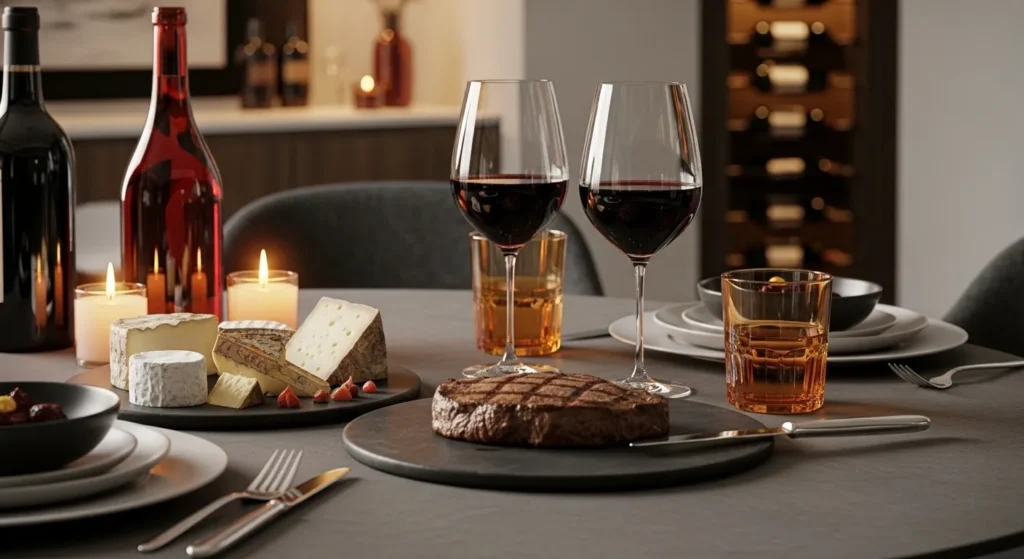
The Wine and Food Pairing Guide is the foundational map for navigating the complex and rewarding world of gourmet harmony. As we move through 2026, the principles of pairing have evolved beyond simple "red with meat, white with fish" into a nuanced, experiential art form focused on texture, acidity, and narrative. This definitive guide unveils a modern, seven-step framework designed to elevate every meal, from a casual weeknight dinner to a curated tasting menu, into a premium gastronomic event. By mastering these concepts, you unlock the ability to create memorable, multi-sensory experiences that delight and impress.
Table of Contents
-
- The 7 Pillars of Modern Pairing
- Step 1: Mastering Weight and Texture
- Step 2: The Acidity Equation
- Step 3: Flavor Intensity Matching
- Step 4: Sweetness and Umami Balance
- Step 5: Tannin Management
- Step 6: Regional and Climatic Synergy
- Step 7: The 2026 Experiential Pairing
- The 2026 Pairing Decision Matrix
- Implementing Your Pairing Strategy
- FAQ: Frequently Asked Questions

The 7 Pillars of Modern Pairing
The contemporary approach to a successful Wine and Food Pairing Guide is built on seven non-negotiable pillars. These are the analytical tools that replace guesswork with strategy. In 2026, connoisseurs understand that pairing is less about rigid rules and more about understanding dynamic interactions between components like phenolic compounds in wine and glutamates in food. This shift reflects a broader trend in gastronomy towards hyper-personalization and scientific appreciation. Mastery of these pillars allows you to deconstruct any dish and any wine, predicting their interaction with remarkable accuracy and crafting pairings that feel both intuitive and revelatory.
These principles have been codified through advancements in gastronomic science and sensory analysis. Leading institutions, like the Culinary Institute of America, now integrate molecular gastronomy into their sommelier programs, teaching how proteins and tannins bind at a microscopic level. This scientific backbone empowers the modern gourmet to move beyond tradition and into creation. The seven pillars serve as your constant reference, ensuring every pairing decision is informed and intentional, transforming your dining table into a laboratory of delight.
Step 1: Mastering Weight and Texture
The cornerstone of any effective Wine and Food Pairing Guide is aligning the body of the wine with the heaviness of the food. A heavy, oak-aged Chardonnay has the weight and creamy texture to stand up to a rich lobster bisque, while a light-bodied Pinot Noir would be overwhelmed. Conversely, a delicate poached sole demands a wine with similar delicacy, such as a crisp Pinot Grigio. Think of it as matching fabrics: silk with silk, wool with wool. This creates a harmonious mouthfeel where neither element dominates, allowing the flavors of both to shine in concert.
Texture plays an equally critical role. A wine with high viscosity can coat the palate, which is ideal for cutting through fatty or oily foods. For instance, the oily texture of smoked mackerel is brilliantly cleansed by the high acid and slightly effervescent texture of a German Riesling. In 2026, sommeliers are increasingly considering the "textural finish" of a wine—how it feels after swallowing—and pairing it with the lingering mouthfeel of a dish. This advanced technique ensures the experience is cohesive from the first bite to the final, satisfying aftertaste.
Step 2: The Acidity Equation
Acidity in wine is the ultimate palate cleanser and a vital tool for balance. A high-acid wine, like Sauvignon Blanc or Chianti, can cut through richness and refresh the taste buds. This makes it perfect for fatty dishes like fried chicken or creamy pasta carbonara. The acid acts like a squeegee, wiping the palate clean and preparing it for the next delicious bite. In your Wine and Food Pairing Guide strategy, the wine's acidity should always meet or exceed the perceived acidity or richness of the food. If the food is more acidic (e.g., a tomato-based dish), a low-acid wine will taste flat and flabby in comparison.
The 2026 perspective on acidity also involves its role in highlighting freshness and vibrancy. A dish with herbal or citrus notes, such as a ceviche or a goat cheese salad, finds its perfect echo in a wine with razor-sharp acidity and similar citrus profiles. This principle is fundamental in modern cuisine, which often prioritizes bright, clean flavors. Understanding this equation prevents one of the most common pairing pitfalls and ensures the food and wine engage in a lively, refreshing dialogue rather than a monotonous monologue.

Step 3: Flavor Intensity Matching
A robust, flavor-packed dish requires a wine of equal intensity to avoid being overshadowed. A bold Zinfandel with notes of blackberry and pepper can confidently partner with a spicy barbecue rib, while a subtle, mineral-driven Muscadet would disappear. Conversely, a delicate poached pear dessert would be obliterated by a powerful Port; a lighter Moscato d'Asti is a far better match. This pillar of your Wine and Food Pairing Guide is about respect and balance, ensuring both players on the plate have an equal voice in the sensory symphony.
This goes beyond simple "bold with bold." It's about complementary flavor profiles. A dish with earthy flavors—think wild mushrooms or truffle—finds a profound partner in an earthy red like Pinot Noir or Nebbiolo. A wine with herbal notes (e.g., Cabernet Franc with its bell pepper nuance) can mirror the herbs in a dish, creating a layered, coherent flavor story. The goal is to create a seamless blend where the origin of a flavor—whether from the food or the wine—becomes intriguingly ambiguous, elevating the entire experience.
Step 4: Sweetness and Umami Balance
Sweetness in wine is a powerful tool, primarily used to counterbalance sweetness, saltiness, or umami in food. A golden rule is that the wine should be sweeter than the dish. A semi-sweet Riesling is sublime with spicy Asian cuisine because the sugar cools the heat. Similarly, the salty tang of blue cheese is magnificently tempered by the rich sweetness of a Sauternes. Umami, the savory fifth taste found in mushrooms, aged cheeses, and meats, can make dry wines taste more bitter and astringent. A wine with some residual sugar or ripe fruit sweetness can soften this effect beautifully.
In 2026, understanding umami is considered a hallmark of advanced pairing knowledge. Dishes high in umami, like a mushroom risotto or dry-aged steak, can be challenging. The modern solution often involves opting for wines with pronounced ripe fruit (a New World Pinot Noir) or even a touch of sweetness (an off-dry Gewürztraminer). This approach neutralizes umami's hardening effect on tannins and acid, resulting in a smoother, more integrated tasting experience. This nuanced understanding separates the novice from the expert following a sophisticated Wine and Food Pairing Guide.
Step 5: Tannin Management
Tannins, those mouth-drying compounds found in red wine skins, seeds, and stems, crave protein and fat. They bind with proteins, softening their astringent grip on your palate. This is why a tannic young Cabernet Sauvignon is classic with a rare, fatty ribeye steak—the fat and protein mollify the tannins, making the wine taste smoother and bringing out its fruit. However, pair the same wine with a delicate fish or a bitter green salad, and the tannins will clash violently, emphasizing metallic and harsh flavors.
The contemporary Wine and Food Pairing Guide also considers the quality of tannins: are they silky, grainy, or grippy? A dish with a velvety texture, like a beef bourguignon, pairs wonderfully with a wine that has supple, integrated tannins. Managing tannins is not about eliminating them but about directing their energy. When correctly paired, tannins add structure and complexity to the meal, acting as a counterpoint to richness and leaving a clean, structured finish that invites another sip and another bite.
Step 6: Regional and Climatic Synergy
"What grows together, goes together" remains a profoundly reliable heuristic. Foods and wines that evolved in the same terroir often share complementary flavor profiles and structures. A Chianti Classico with its bright acidity and herbal notes is a natural companion to tomato-based Tuscan cuisine. An oyster from the Loire Valley and a crisp Muscadet from the same region is a marriage made in maritime heaven. This principle, a key part of any holistic Wine and Food Pairing Guide, leverages centuries of co-evolution and cultural practice.
In 2026, this concept extends to climatic pairing. Hearty, rustic dishes from cooler climates (think German sausages) often pair best with wines from similar climates (like a German Riesling or Spätburgunder). The wines have the necessary acidity and structure to complement the food. Conversely, the bold, sun-drenched flavors of Mediterranean grilled vegetables and herbs find their soulmate in equally sun-kissed wines like Grenache or Tempranillo, which offer ripe fruit and lower acidity. This geographic and climatic intuition simplifies pairing decisions with authentic and historically validated results.

Step 7: The 2026 Experiential Pairing
The final pillar transcends technical metrics and enters the realm of narrative and emotion—the Experiential Pairing. This 2026-forward concept asks: What story or feeling do you want the meal to convey? A pairing might be designed to evoke a specific memory, a sense of place, or even a contrast to provoke thought. For example, pairing a smoky, peated Scotch whisky (instead of wine) with dark chocolate to create a contemplative, evening-by-the-fireplace mood. It’s about curating a journey, where each combination is a chapter building towards a memorable climax.
This approach leverages contrast and surprise as deliberate tools. Imagine serving a vibrant, ice-cold Vermentino with a warm, salty pretzel—the contrast in temperature and texture is part of the fun. Or pairing a savory blue cheese with a sweet stout beer to create a "dessert" course that defies category. This pillar empowers you to use your Wine and Food Pairing Guide knowledge not as a rigid rulebook, but as a creative palette. The goal is to engage all the senses and the intellect, making the meal an event that is discussed long after the last glass is emptied.
The Sommelier's Secret
Pairing is an extension of tasting. To truly match a wine with food, you must first master the art of identifying its structure.
Ready to move from theory to practice? Begin your journey by selecting one dish you love and applying the first two pillars—Weight and Acidity. The transformation in your dining experience will be immediate and profound.
The 2026 Pairing Decision Matrix
To synthesize the seven pillars into actionable intelligence, consult the following Pairing Decision Matrix. This table serves as a quick-reference Wine and Food Pairing Guide tool, translating principles into practical recommendations for common culinary scenarios in 2026.
The Connoisseur’s Pairing Matrix: 2026 Edition
To simplify your selection process, our editorial team has distilled the most effective pairing strategies into this comprehensive matrix. Use these pillars to ensure your next meal is perfectly balanced.
| Dish Profile | Key Pairing Pillars | Recommended Wine Style | 2026 Trend Example |
|---|---|---|---|
| Rich & Creamy (e.g., Alfredo) | Acidity, Weight | Full-bodied, high-acid white (Oak-aged Chardonnay) | Orange Wine (skin-contact) |
| Grilled Red Meat (e.g., Strip Steak) | Tannin Management | High-tannin red (Cabernet, Malbec) | Cool-climate Syrah |
| Spicy Asian (e.g., Green Curry) | Sweetness Balance | Off-dry, aromatic white (Riesling) | High-acid Pét-Nat |
| Earthy & Umami (e.g., Mushroom Risotto) | Flavor Matching | Medium-bodied red (Pinot Noir) | Austrian Blaufränkisch |
| Salty & Aged (e.g., Charcuterie) | Acidity Contrast | Fortified (Sherry) or Dry Rosé | Low-intervention Cider |
| Delicate & Fresh (e.g., Sea Bass) | Weight, Acidity | Light, crisp white (Vermentino) | Seaweed-aged white wine |
| Decadent Dessert (e.g., Chocolate Tart) | Sweetness Intensity | Sweet, fortified red (Port) | Craft Stout beer pairing |
Implementing Your Pairing Strategy
Armed with the seven pillars and the decision matrix, implementation is about confidence and experimentation. Start by analyzing your main ingredient and its primary cooking method. Is it fatty, lean, sweet, or acidic? Then, select a wine that addresses that characteristic using the pillars. Remember that sauces and seasonings often outweigh the main protein in influence. A great resource for deepening your understanding of flavor chemistry is the Science of Cooking portal, which explores the molecular interactions that make pairing work.
Build a versatile home cellar with wines that cover the spectrum of body, acidity, and sweetness. Keep a crisp high-acid white, a robust red with tannins, an off-dry aromatic, and a sparkling wine on hand. This "pairing toolkit" will allow you to address most meals. Most importantly, trust your palate. The ultimate goal of this Wine and Food Pairing Guide is to enhance your personal enjoyment. Take notes on what works and what doesn’t. Your unique taste preferences are the final, and most important, judge of a successful pairing.
CRAFT THE PERFECT DINING EXPERIENCE
Whether it's a casual dinner or a grand celebration, our guides help you select the ideal varietal for every occasion.
Your journey to becoming a connoisseur starts now. Bookmark this guide, share it with fellow enthusiasts, and challenge yourself to apply one new principle per week. By 2027, you will not only follow a Wine and Food Pairing Guide—you will be creating your own.
FAQ: Frequently Asked Questions
What is the single most important rule in a Wine and Food Pairing Guide?
The most critical rule is to match the weight and body of the wine to the weight and richness of the food. A heavy dish demands a full-bodied wine, while a light dish requires a delicate one. This foundational principle ensures structural harmony and prevents either element from overpowering the other. All other considerations, like flavor matching or acidity, build upon this base of textural compatibility. Ignoring weight is the fastest route to a disjointed and unsatisfying pairing experience.
Can I pair red wine with fish, contrary to the old rule?
Absolutely, and doing so is a sign of a sophisticated understanding of modern pairing principles. The old rule is obsolete. The key is to choose a light-bodied, low-tannin red wine with high acidity, such as Pinot Noir, Gamay (Beaujolais), or a cool-climate Grenache. These wines complement oily fish like salmon or tuna beautifully, especially if the fish is grilled or served with an earthy sauce. The pairing works because the wine's acidity cuts through the fish's oiliness without the harsh tannins that would clash with delicate seafood flavors.
How do I pair wine with very spicy food?
With spicy food, seek out wines with noticeable residual sugar and lower alcohol content. The sugar helps counteract the burning sensation of capsaicin, while high alcohol can intensify the heat. An off-dry German Riesling, a Gewürztraminer, or even a sparkling Moscato d'Asti are excellent choices. The wine's aromatic fruitiness and slight sweetness provide a cooling, refreshing contrast that soothes the palate. Avoid high-alcohol, tannic reds, which will amplify the spice and create a punishing experience.
What is the best wine to pair with a cheese platter?
There is no single "best" wine, as cheese varies dramatically. The strategy is to pair by cheese style. For fresh, soft cheeses like goat cheese, choose a crisp, high-acid white (Sauvignon Blanc). For hard, aged cheeses like Parmigiano-Reggiano, a structured, nutty white (aged Chardonnay) or a fruity red (Amarone) works well. For bold blue cheeses, sweet wines like Port or Sauternes are classic due to the perfect salty-sweet contrast. The best approach is to select one cheese as the focal point and build the pairing around it.
Why does wine sometimes taste bitter or metallic when I eat certain foods?
This unpleasant effect typically occurs when wine with high tannins or certain acidic profiles meets food that is bitter (like bitter greens), salty/umami-rich without fat (like steamed shellfish), or contains artichokes or asparagus. These foods contain compounds that can suppress sweetness perception and exaggerate astringency and metallic notes in wine. To avoid this, follow the pillars: pair bitter foods with high-acid, low-tannin whites, and balance umami with ripe fruit or a hint of sweetness in the wine.
How important is the serving temperature in successful pairing?
Extremely important, and it is often the most overlooked factor. Serving wine too cold suppresses its aromas and flavors, making it taste simple and hollow; serving it too warm emphasizes alcohol and can make it flabby. As a rule, serve sparkling and light whites very cold (6-8°C), full-bodied whites and light reds slightly cooler than room temperature (10-14°C), and full-bodied reds at a cool room temperature (15-18°C). Correct temperature ensures the wine expresses its intended character, which is essential for it to play its designed role in the pairing.
What is "regional pairing" and why is it so reliable?
Regional pairing is the practice of matching foods and wines from the same geographic area, based on the adage "what grows together, goes together." It is reliable because the culinary traditions and wine styles of a region evolved symbiotically over centuries. The local cuisine naturally complements the structural components (acidity, tannin, body) of the local wines. For example, the high acidity of a Chianti cuts through the richness of Tuscan ragù, and the saltiness of Provençal olives is balanced by the herbal notes in local Rosé. It's a time-tested shortcut to harmony.
Can I use this Wine and Food Pairing Guide for vegetarian or vegan cuisine?
Yes, and the principles apply perfectly. The focus shifts from protein to the dominant characteristics of the plant-based ingredients: texture, cooking method, and sauce. A grilled portobello mushroom (earthy, umami, meaty texture) pairs wonderfully with an earthy Pinot Noir. A creamy coconut curry requires a wine with enough acidity and body to stand up to it, like an off-dry Riesling or a Viognier. For fresh, acidic dishes like a tomato-based pasta, a high-acid red like Barbera or a zesty white like Vermentino is ideal. The pillars of weight, acidity, and flavor intensity are your guides.
Leave a Reply