
Wine Storage Guide 2026: 7 Essential Steps to Build & Maintain a Professional Home Cellar
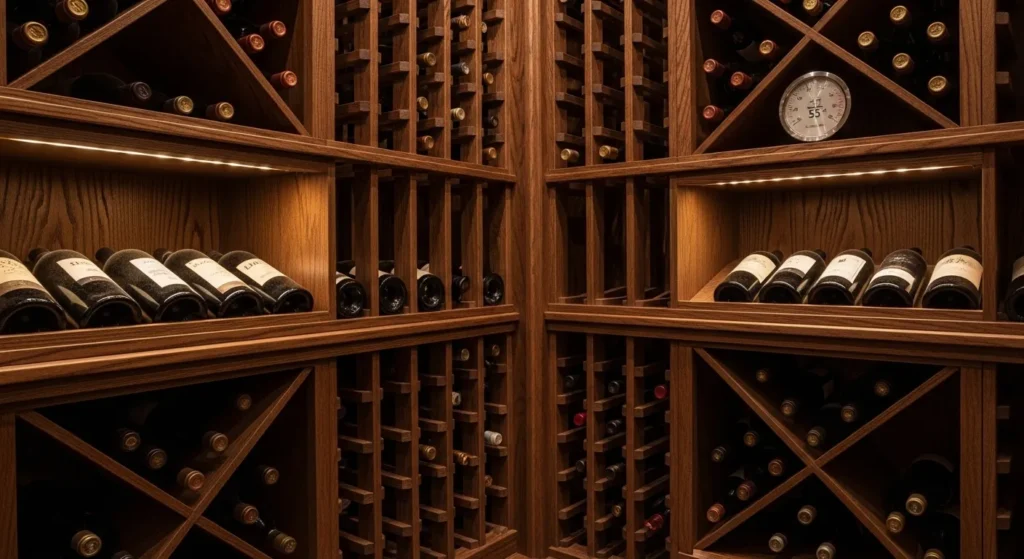
The Wine Storage Guide 2026 begins with a fundamental truth: proper storage is not a luxury but the very foundation of wine appreciation and investment. As we move deeper into the decade, the line between enthusiast and collector blurs, driven by technology and a deeper understanding of oenology. Building a professional-grade home cellar is now an accessible dream, a personal sanctuary that protects and perfects your liquid assets. This guide cuts through the noise, presenting a clear, actionable 7-step framework to transform your space—whether a dedicated room, a converted closet, or a sophisticated cabinet—into a vault where every bottle reaches its full potential. Forget guesswork; 2026 is about precision, control, and intelligent collection management.
Table of Contents
-
- The 7 Pillars of Perfect Wine Storage in 2026
- Step 1: Site Selection and Insulation Foundations
- Step 2: Climate Control Systems: The 2026 Advantage
- Step 3: Racking Solutions for Every Collection
- Step 4: Light, Humidity, and Vibration: The Silent Killers
- Step 5: Inventory Management Software and Tagging
- Step 6: Curation and Acquisition Strategy
- Step 7: Ongoing Maintenance and Monitoring
- Comparative Analysis: 2026 Wine Storage Solutions
- FAQ: Frequently Asked Questions About Wine Storage

The 7 Pillars of Perfect Wine Storage in 2026
The contemporary approach to cellar building is systematized. Gone are the days of simply finding a cool, dark corner. Today's Wine Storage Guide 2026 is built on seven non-negotiable pillars that ensure both preservation and pleasure. These pillars integrate traditional wisdom with smart technology, creating an environment that is as stable as a commercial facility. They address everything from the physical structure to the digital soul of your collection. Understanding these pillars before you purchase a single rack or bottle is crucial; they are the blueprint that prevents costly mistakes and ensures every dollar and every bottle is optimally positioned for aging. This holistic framework is what separates a simple storage area from a true professional home cellar.
Why a Systematic Approach Wins in 2026
In 2026, data drives decisions. A systematic approach allows for scalability, whether your collection grows from 50 to 500 bottles. It future-proofs your investment against climate variability and technological obsolescence. By treating your cellar as an integrated system—where insulation, cooling, racking, and software communicate—you achieve a synergy that passively protects your wine. This method also provides clear metrics for success, such as consistent temperature logs or inventory turnover rates, turning storage from an art into a measurable science. For the serious collector, this system is the bedrock of both confidence and connoisseurship.
Step 1: Site Selection and Insulation Foundations
The journey of your Wine Storage Guide 2026 starts with location. An interior room, away from external walls and household heat sources like kitchens or laundry rooms, is ideal. Basements are classic choices, but spare rooms or even large closets can be expertly converted. The single most critical factor post-selection is insulation. High-quality, vapor-barrier-backed insulation (like closed-cell spray foam or rigid foam boards) is essential for creating a thermally stable envelope. This insulation does the heavy lifting, reducing the workload on your cooling system, minimizing energy costs, and maintaining a consistent environment. Proper vapor barriers prevent external humidity from seeping in, which is crucial for preventing mold and label damage.
Consider the structural implications. Flooring should be moisture-resistant (sealed concrete, tile, or specialty vinyl), and any external doors or windows should be sealed and insulated. For smaller spaces, pre-fabricated insulated cellar rooms have become incredibly sophisticated, offering plug-and-play solutions that guarantee performance. This step is about building a fortress—a buffer zone between your precious wine and the unpredictable external world. Skimping here makes every subsequent step more difficult and expensive.

Step 2: Climate Control Systems: The 2026 Advantage
This is the heart of your cellar. The Wine Storage Guide 2026 emphasizes that a dedicated wine cooling unit is non-negotiable. Standard air conditioners are designed for human comfort, not wine, as they dehumidify the air too aggressively. Modern wine cooling systems, whether split systems, ducted, or self-contained, precisely manage both temperature and humidity. The 2026 advantage lies in connectivity and zoning. Leading systems now offer Wi-Fi connectivity, allowing you to monitor and adjust conditions via smartphone apps, and receive instant alerts for any fluctuations.
The gold standard for long-term aging remains 55°F (12.8°C) and 60-70% relative humidity. However, advanced units allow for dual-zone cooling, perfect for collectors who wish to store reds, whites, and Champagne at their ideal serving temperatures simultaneously. Look for systems with quiet operation, especially for living-area-adjacent cellars, and ensure the unit's BTU capacity is correctly sized for your space's volume and insulation quality by a professional. This investment is the guardian of your wine's chemical evolution.
Step 3: Racking Solutions for Every Collection
Racking is both functional and aesthetic. Your choice should reflect the size and format of your collection (standard bottles, magnums, Champagne) and your access needs. Traditional wooden racks (redwood or cedar) are beautiful and provide excellent insulation. Modern metal racks offer sleek, industrial aesthetics and modular flexibility. The Wine Storage Guide 2026 sees a trend towards hybrid systems: wooden racks with metal reinforcements, or systems that incorporate display areas for special bottles alongside high-density storage.
Consider ergonomics. Diamond bins allow for easy viewing of labels but hold fewer bottles. Individual cubbies are superior for long-term aging, keeping bottles undisturbed and properly oriented. For larger formats, ensure your design includes dedicated spaces. Remember, the racking should facilitate your inventory management, not hinder it. Leave space for growth—a common mistake is building a cellar that is at capacity on day one.
Step 4: Light, Humidity, and Vibration: The Silent Killers
Beyond temperature, three stealthy enemies threaten wine: light, incorrect humidity, and vibration. Ultraviolet (UV) light, especially from sunlight and some LEDs, catalyzes chemical reactions that prematurely age and "cook" wine. Use LED lighting with a low UV index, preferably on motion sensors or timers to minimize exposure. Humidity, as mentioned, is managed by your cooling unit, but a standalone hygrometer provides a crucial backup check. Too low, and corks dry out, allowing oxygen in; too high, and labels mold and adhesives fail.
Vibration, from appliances, subways, or even loud sound systems, is often overlooked. It disturbs the sediment in aging wine and can potentially accelerate chemical processes. Isolate your cellar from major sources, use vibration-dampening pads under cooling units, and ensure racks are firmly secured to stable walls. Managing these three factors is the mark of a truly refined storage strategy.
Step 5: Inventory Management Software and Tagging
In 2026, a cellar without a digital inventory is like a library without a catalog. Modern software and apps allow you to log every bottle with photos, purchase details, scores, and drinking windows. You can track value, generate "drink now" lists, and even share your cellar with friends. The next frontier is RFID or QR code tagging. Affixing a small tag to each bottle or rack allows you to scan and instantly pull up all the bottle's data, making inventory audits and selection effortless.
This digital layer transforms your cellar from a static collection into a dynamic asset. It informs your drinking and buying strategy, prevents bottles from being lost or forgotten, and is invaluable for insurance purposes. It completes the Wine Storage Guide 2026 by adding intelligence to the physical infrastructure.

Step 6: Curation and Acquisitions Strategy
A cellar is not just a warehouse; it's a curated portfolio. Develop a strategy based on your palate, budget, and goals. Balance between wines for near-term enjoyment (ready-to-drink) and those for long-term aging (laying down). Diversify across regions, varietals, and vintages to spread risk and maximize enjoyment. In 2026, consider the growing interest in sustainable, biodynamic, and lesser-known regions as both a personal exploration and a potential value play.
Build relationships with reputable merchants, consider wine futures (en primeur) for top Bordeaux or Burgundy, and don't neglect the auction market for back-vintage treasures. Your acquisition strategy should be fed by the data from your inventory software, telling you what you have too much of and what gaps you need to fill. A curated cellar tells a story about your journey as a collector.
Step 7: Ongoing Maintenance and Monitoring
A professional cellar is a living system that requires care. Schedule bi-annual maintenance for your cooling unit, including cleaning coils and checking refrigerant levels. Regularly calibrate your thermometers and hygrometers. Inspect for any signs of moisture intrusion, mold, or pest activity. Physically check a sample of bottles, especially those with natural corks, to ensure they are properly topped up (ullage is minimal).
Use your monitoring systems proactively. Review temperature and humidity logs monthly to spot any subtle drifts. Update your inventory software as you drink or acquire bottles. This proactive diligence ensures small issues are caught before they become catastrophic failures, safeguarding your investment for decades to come. This final step closes the loop, making your Wine Storage Guide 2026 a perpetual cycle of refinement.
A Collection Built on Precision
Storing your wine at the perfect temperature is the first step. But do you know how to professionally evaluate a bottle once it's uncorked?
Ready to transform your wine storage dreams into reality? Begin your journey by auditing your current space against our 7 pillars. Download our free cellar planning checklist to start designing your professional-grade sanctuary today.
Comparative Analysis: 2026 Wine Storage Solutions
Choosing the right type of storage depends on your space, budget, and collection size. This table breaks down the 7 primary solutions aligned with our guide's framework.
Wine Storage Solutions: 2026 Comparison Matrix
Selecting the right storage environment depends on your collection size, budget, and long-term aging goals. Use the table below to identify the optimal solution for your professional cellar setup.
| Solution Type | Best For | Key 2026 Features | Considerations |
|---|---|---|---|
| Dedicated Room Cellar | Large collections (500+), new construction. | Full customization, dual-zone cooling, IoT control. | Highest cost, requires space & pro install. |
| Prefabricated Cellar Room | Fast installation, guaranteed performance. | Plug-and-play panels, superior insulation. | Fixed sizes, can be expensive for large models. |
| Wine Cabinet / Eurocave | Apartments, small collections (20-300). | Silent operation, precise dual-zone, sleek. | Cost per bottle is high, limited capacity. |
| Modular Racking System | Converting existing cool spaces (closets). | High-density storage, scalable, mix of bins. | Requires pre-existing suitable environment. |
| Passive Underground Cellar | Traditionalists with ideal natural conditions. | Zero energy cost, perfect natural humidity. | Geographically limited, no active control. |
| Off-Site Professional Storage | High-value investment collections, overflow. | Maximum security, insurance, perfect aging. | Monthly fees, retrieval is not instant. |
| Smart Hybrid System | Tech-forward enthusiasts wanting integration. | IoT sensors, AI condition optimization, RFID. | Premium cost, reliance on stable technology. |
FAQ: Frequently Asked Questions About Wine Storage
What is the single most important factor in home wine storage?
Consistent temperature is universally regarded as the paramount factor. Fluctuations cause wine to expand and contract, potentially drawing air (and spoilage) through the cork and accelerating aging. A stable temperature, ideally at the long-term aging standard of 55°F (12.8°C), allows wine to mature slowly and predictably. While humidity, light, and vibration are critical, temperature stability is the non-negotiable foundation upon which all other storage principles are built, making it the core of any effective Wine Storage Guide 2026.
Can I use a regular refrigerator to store wine long-term?
No, a standard kitchen refrigerator is unsuitable for long-term wine storage. Its environment is too cold (typically 35-38°F), which can stifle aging and potentially harm the wine's structure over years. More critically, the lack of humidity control (fridges are very dry) will desiccate corks in a matter of months, leading to oxidation. Additionally, the constant vibration from the compressor is detrimental. For long-term aging, a dedicated wine cooling unit or cabinet that maintains proper temperature and humidity is essential.
How does humidity affect wine in storage, and what is the ideal range?
Humidity directly impacts the cork's integrity. The ideal range is 60-70% relative humidity. In an environment that is too dry (below 50%), the cork can shrink and dry out, compromising its seal and allowing oxygen to enter the bottle, which causes oxidation and spoilage. Conversely, excessive humidity (above 75%) poses no risk to the wine itself but can lead to mold growth on labels, capsules, and cork exteriors, damaging presentation and potentially causing unpleasant aromas. A proper wine cooling system will include a humidifier or dehumidifier function to maintain this sweet spot.
Is it necessary to store all wines on their side?
For wines sealed with natural cork, horizontal storage is mandatory for long-term aging. This position keeps the cork in contact with the wine, preventing it from drying out and shrinking. For wines with alternative closures like screw caps, synthetic corks, or glass stoppers, horizontal storage is not necessary from a preservation standpoint, as these closures do not require moisture. However, storing all bottles on their side is often recommended for space efficiency, safety (lower center of gravity), and consistency within a racking system, making it a best practice in any comprehensive Wine Storage Guide 2026.
What are the signs that my wine has been poorly stored or is "cooked"?
Signs of heat damage or poor storage, often called "cooked" wine, are usually evident upon opening. Visually, the wine may have a prematurely brownish tint (in whites) or a brick-orange rim (in reds), indicating advanced oxidation. On the nose and palate, it may exhibit stewed, jammy, or prune-like flavors instead of fresh fruit, and can taste flat, lifeless, or overly alcoholic. A protruding cork can also be a sign of extreme heat exposure, which caused pressure to build inside the bottle. Once a wine is cooked, the damage is irreversible.
How long can I realistically age wine in a professional home cellar?
The aging potential depends entirely on the wine's structure (acidity, tannins, sugar) and the quality of storage. In a professional-grade home cellar that maintains perfect conditions, top-tier wines from great vintages (e.g., Bordeaux First Growths, Grand Cru Burgundy, Barolo, Vintage Port) can evolve beautifully for 20, 30, or even 50+ years. Medium-bodied wines may peak in 5-15 years, while light, fresh wines are best consumed within 1-3 years. Your cellar doesn't create aging potential; it preserves and allows the inherent potential of a well-made wine to be realized fully over time.
What is the benefit of a dual-zone wine cooling unit?
A dual-zone unit allows you to maintain two different temperature and humidity environments within a single cellar or cabinet. This is incredibly beneficial for collectors who enjoy a variety of wines. One zone can be set at the long-term aging temperature of 55°F, while the other can be set at a cooler serving temperature for whites, rosés, and Champagne (around 45-50°F). This means you can pull a perfectly chilled bottle for immediate consumption without disturbing the aging environment of your long-term collection, offering unparalleled flexibility and convenience for the modern enthusiast.
How often should I perform maintenance on my wine cellar cooling system?
Professional maintenance should be scheduled at least once per year, ideally before the peak summer heat or winter cold stresses the system. A technician will clean the condenser coils, check refrigerant levels, calibrate thermostats, and ensure all components are functioning efficiently. Additionally, you should perform visual checks quarterly, ensuring air vents are unobstructed and listening for unusual noises. For self-contained units, vacuuming the rear grille every few months to remove dust is crucial. Proactive maintenance prevents unexpected failures that could jeopardize your entire collection.
PRESERVE EVERY DROP OF EXCELLENCE
A great wine is an investment in pleasure. Learn how to protect your collection and master the art of professional selection.
Your legacy collection starts with the right foundation. Don't leave your wine's future to chance. Implement the 7 essential steps from this Wine Storage Guide 2026 to build a cellar that guarantees perfection in every bottle. Start planning your professional home cellar today—your future self will thank you with every sublime sip.
Leave a Reply