
Wine Health Benefits: The 2026 Guide to Wellness, Viticulture & Resveratrol
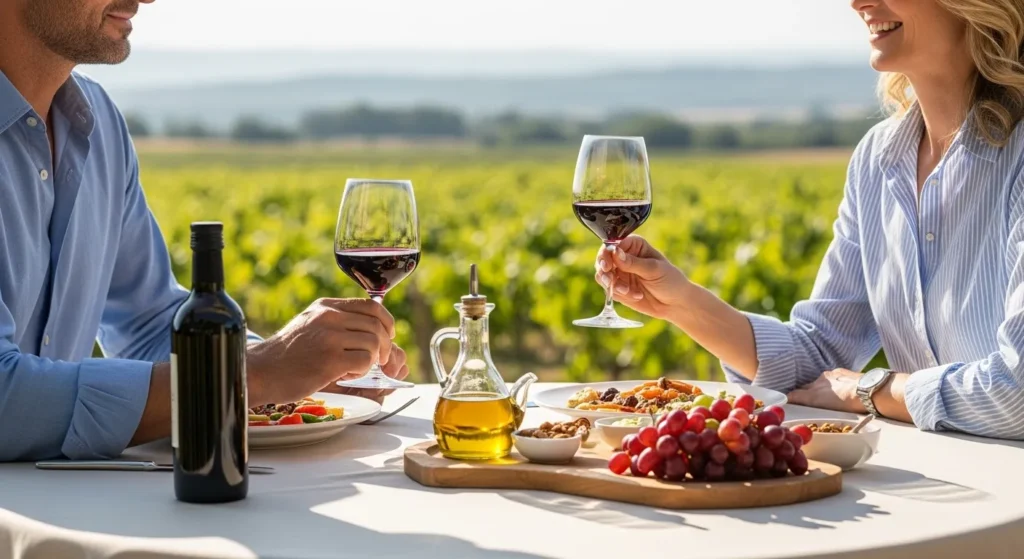
Wine health benefits have evolved from folklore to a major focus of nutritional science, especially as we navigate wellness trends in 2026. This definitive guide unpacks the sophisticated relationship between moderate viticulture, the powerhouse compound resveratrol, and holistic health. Moving beyond simplistic "red wine is good for the heart" narratives, we explore how intentional, premium wine selection, informed by sustainable practices and advanced oenology, can be a strategic component of a modern wellness protocol. We will detail the mechanisms, the critical importance of moderation, and how to curate a lifestyle that harmonizes enjoyment with evidence-based benefits.
Table of Contents
-
- The Science of Resveratrol & Polyphenols in 2026
- Cardiovascular Wellness & The French Paradox Revisited
- Longevity, Cognitive Health & Anti-Aging Pathways
- The 2026 Premium Wine Selection Guide for Health
- The Art of Moderation & The Wellness Ritual
- Future of Viticulture: Sustainability & Bioactive Enhancement
- FAQ: Frequently Asked Questions about Wine Health Benefits
The Science of Resveratrol & Polyphenols in 2026
The cornerstone of modern understanding of wine health benefits lies in its rich polyphenolic profile. Resveratrol, a stilbenoid compound primarily found in grape skins, has been the subject of intense research. In 2026, studies have moved from observational data to precise molecular mapping, identifying how resveratrol activates sirtuin proteins (SIRT1), which are crucial for cellular repair, metabolism, and longevity. This activation mimics the effects of caloric restriction, a known lifespan-extending intervention.
Beyond resveratrol, wine contains a symphony of other polyphenols like quercetin, catechins, and anthocyanins. Each compound plays a distinct role. For instance, anthocyanins give red wine its color and possess potent antioxidant and anti-inflammatory properties, helping to combat oxidative stress at a cellular level. The synergistic effect of these compounds, known as the "polyphenol matrix," is now considered more significant than any single molecule in isolation.
Recent 2026 research published in journals like Nature Metabolism highlights the bioavailability challenges of these compounds. Scientists are now focusing on nano-encapsulation techniques and identifying specific wine matrices that enhance absorption. This means the premium wine selection is not just about taste but about choosing wines processed to preserve these delicate, health-promoting compounds.
The terroir—the unique combination of soil, climate, and topography—directly influences a grape's polyphenol content. Wines from stressed, low-yield vines often produce grapes with thicker skins, leading to higher concentrations of resveratrol and anthocyanins. This makes vineyard practices a direct determinant of the potential wine health benefits.
Understanding this science empowers consumers to make informed choices. It shifts the conversation from "does wine have health benefits?" to "which wines, under what conditions, and consumed in what manner, offer the optimal bioactive profile for my wellness goals?"

Cardiovascular Wellness & The French Paradox Revisited
The "French Paradox"—the observation of relatively low heart disease rates in France despite a diet rich in saturated fats—first brought global attention to wine health benefits. Today, the paradox is understood through complex cardioprotective mechanisms. Moderate wine consumption is associated with improved lipid profiles, namely increasing HDL ("good") cholesterol and potentially reducing the oxidation of LDL ("bad") cholesterol, a key step in plaque formation.
Polyphenols in wine, particularly resveratrol and procyanidins, promote endothelial function. They stimulate the production of nitric oxide, a molecule that causes blood vessels to dilate, improving blood flow and reducing blood pressure. This vasodilatory effect is a immediate and measurable benefit of moderate consumption. Furthermore, these compounds exhibit anti-thrombotic properties, reducing platelet aggregation and the risk of unwanted clots.
It is critical to contextualize these benefits within the Mediterranean lifestyle pattern, where wine is typically consumed with meals, in a social setting, and as part of a diet rich in fruits, vegetables, and healthy fats. The wine health benefits for the heart are not isolated; they are synergistic with overall dietary and lifestyle patterns. Consuming a bottle alone on the couch negates the contextual benefits.
Modern cardiology in 2026 takes a nuanced view. For individuals with certain genetic predispositions or existing conditions, even moderate alcohol may be contraindicated. Therefore, any discussion of wine health benefits must be preceded by a consultation with a healthcare provider, emphasizing that wine is not medicine but can be a component of a heart-healthy lifestyle for some.
The key takeaway is that the cardiovascular benefits are a result of a moderate, consistent pattern—often defined as one 5-ounce glass per day for women and up to two for men—integrated into a balanced life, not from binge or heavy drinking, which is unequivocally harmful to the heart.
Longevity, Cognitive Health & Anti-Aging Pathways
The quest for longevity has found an intriguing ally in the compounds derived from viticulture. Research into wine health benefits has expanded significantly into neuroprotection and anti-aging. Resveratrol's ability to cross the blood-brain barrier positions it as a potential guardian against cognitive decline. Studies suggest it may reduce the buildup of amyloid-beta plaques, associated with Alzheimer's disease, and protect neurons from inflammation and oxidative stress.
Beyond Alzheimer's, moderate consumption has been linked in large-scale epidemiological studies to a lower risk of developing dementia and general cognitive impairment in older age. The social and ritualistic aspects of wine consumption—shared with friends, paired with thoughtful conversation—also contribute to cognitive reserve by reducing stress and fostering social connection, which are themselves pillars of brain health.
On a cellular level, the activation of sirtuins by resveratrol is a primary anti-aging pathway. These proteins are involved in DNA repair, genomic stability, and energy metabolism. By supporting mitochondrial function—the powerhouses of our cells—these compounds may help slow aspects of the cellular aging process. This has spurred a niche in the wellness industry focused on "wine-derived nutraceuticals," though most experts agree the whole wine matrix is superior to isolated extracts.
It is paramount to balance this exciting research with realism. Wine is not a fountain of youth. The longevity observed in regions like Sardinia or Ikaria, where wine is consumed moderately, is attributable to a holistic lifestyle: physical activity, plant-based diets, strong social ties, and low stress. Wine is a single thread in that tapestry.
For the informed individual in 2026, understanding these pathways allows for a more intentional approach. It’s about viewing that glass of premium red not just as a beverage, but as a deliberate part of a broader strategy for maintaining cognitive sharpness and cellular vitality as one ages.

The 2026 Premium Wine Selection Guide for Health
Maximizing wine health benefits is intrinsically linked to premium wine selection. Not all wines are created equal in their bioactive potential. This guide outlines the key factors for choosing wines that align with wellness goals in 2026.
First, prioritize red wines over white. The extended skin contact during fermentation gives red wines a significantly higher concentration of resveratrol, anthocyanins, and tannins. Specific varietals known for robust polyphenol content include Pinot Noir, Cabernet Sauvignon, Syrah, and Nebbiolo. Wines from cooler climates or challenging terroirs often force the vine to produce more protective polyphenols in the grape skin.
Second, scrutinize production methods. Seek out wines made with minimal intervention—often labeled "organic," "biodynamic," or "natural." These practices typically avoid synthetic pesticides and herbicides, which can affect the grape's natural phytochemical production. Look for wines that are unfiltered or lightly filtered, as heavy filtration can remove some of the beneficial polyphenol compounds.
Third, consider alcohol content. While alcohol itself in moderation can contribute to some benefits like raised HDL, very high-alcohol wines (over 15% ABV) may come from ultra-ripe grapes where sugar dominates, potentially at the expense of phenolic ripeness. A balanced wine with moderate alcohol (12.5% - 14.5%) is often a better indicator of a well-crafted, food-friendly wine suited for regular moderate consumption.
The following table compares five premium wine styles based on their potential health-oriented attributes, aiding your premium wine selection.
| Wine Style / Varietal | Key Polyphenols | Noted Health Associations | Ideal Occasion for Moderation |
|---|---|---|---|
| Pinot Noir (Burgundy, OR) | Resveratrol, Anthocyanins | High resveratrol, cardio & cognitive support | Daily moderate glass with dinner |
| Cabernet Sauvignon (Bordeaux, Napa) | Procyanidins, Quercetin | Strong antioxidant, endothelial function | Paired with lean red meats |
| Syrah / Shiraz (Rhône, Barossa) | Anthocyanins, Flavonols | Anti-inflammatory, metabolic support | Social gatherings, grilled foods |
| Nebbiolo (Barolo, Barbaresco) | High Tannins, Resveratrol | Potent antioxidant, longevity studies | Special occasions, aged cheeses |
| Dry Rosé (Provence style) | Moderate Anthocyanins | Light antioxidant, hydration (lower alcohol) | Lunch, warm weather |
Finally, storage and serving matter. Store wine in a cool, dark place to preserve its chemical integrity. Serve reds at slightly below room temperature (60-65°F) to best appreciate their aroma and structure, enhancing the mindful consumption experience.
The Art of Moderation & The Wellness Ritual
The defining principle that separates wine health benefits from health risks is moderation. In 2026, moderation is understood not just as a quantitative limit but as a qualitative practice—a mindful ritual. The recommended limit remains up to one standard drink per day for women and up to two for men, with "standard" defined as a 5-ounce glass of wine at about 12% alcohol by volume.
Creating a ritual around wine consumption amplifies its wellness potential. This involves intentionality: pouring a single glass, appreciating its color and aroma, sipping slowly, and ideally, pairing it with a nutritious meal. Consumption with food slows alcohol absorption, mitigates blood sugar spikes, and allows the polyphenols to interact with dietary fats and fibers, potentially enhancing their effects.
Mindful consumption also means having several alcohol-free days each week. This practice gives the liver time to recover, maintains metabolic flexibility, and prevents the development of tolerance or dependency. It reinforces that wine is a complement to wellness, not a daily necessity.
The social and psychological benefits of this ritual are profound. Sharing a bottle with friends or family reduces stress, fosters connection, and promotes the "slow living" ethos counter to modern burnout culture. This reduction in chronic stress is, in itself, a massive contributor to long-term health, arguably as significant as the biochemical effects of the wine.
It is essential to recognize individuals for whom no amount of alcohol is safe, including those with a history of addiction, certain liver conditions, or who are pregnant. For them, the pursuit of wine health benefits is not applicable, and excellent non-alcoholic wines or grape-based antioxidants from other sources (like grapes, berries, and peanuts) can be explored.

Future of Viticulture: Sustainability & Bioactive Enhancement
The future of wine health benefits is being written in the vineyard. By 2026, viticulture is undergoing a profound shift towards regenerative agriculture and precision farming, with direct implications for the health profile of wine. Regenerative practices focus on soil health, biodiversity, and carbon sequestration, which not only combat climate change but also produce more resilient vines with potentially higher concentrations of secondary metabolites like resveratrol.
Scientists are experimenting with "bio-fortification" techniques—using specific yeast strains during fermentation that can enhance the bioavailability of polyphenols or even generate novel beneficial compounds. There is also growing interest in hybrid grape varieties bred specifically for high polyphenol content and disease resistance, reducing the need for chemical interventions.
The transparency movement, powered by blockchain and QR codes on labels, will allow consumers in 2026 to trace a bottle's journey from vine to glass, accessing data on polyphenol levels, farming practices, and carbon footprint. This empowers a premium wine selection based on verifiable wellness and sustainability metrics.
Furthermore, the non-alcoholic wine segment is innovating rapidly. Advanced dealcoholization techniques that preserve volatile aromas and, crucially, the polyphenol content, are creating sophisticated alternatives. These products allow individuals to participate in the social and gustatory ritual of wine while accessing its bioactive compounds without alcohol, expanding the demographic for whom wine health benefits can be relevant.
This evolving landscape promises a future where wine is not only a beverage of pleasure and tradition but also a more precisely understood and responsibly produced component of a conscious, health-oriented lifestyle.
Beyond the Glass: The Connoisseur's Mindset
Understanding the health benefits of viticulture is part of a sophisticated lifestyle. But do you know how to truly evaluate the complexity of what's in your glass?
Ready to transform your approach to wine and wellness? Explore our curated collection of premium, health-conscious wines selected for their exceptional viticulture and polyphenol profiles. Your journey to informed enjoyment starts here.
FAQ: Frequently Asked Questions about Wine Health Benefits
What exactly is resveratrol and why is it so important for wine health benefits?
Resveratrol is a natural polyphenolic compound produced by plants like grapes as a defense mechanism against stress, fungi, and UV radiation. Its importance for wine health benefits stems from its potent biological activities observed in research. It functions as a powerful antioxidant, neutralizing free radicals that cause cellular damage linked to aging and chronic diseases. More specifically, resveratrol is a known activator of sirtuin proteins, which play a crucial role in cellular repair, energy metabolism, and longevity pathways. While present in other foods like peanuts and berries, its concentration in red wine—particularly from grapes with extended skin contact—makes wine a significant dietary source, forming a key biochemical basis for the observed cardioprotective and neuroprotective effects associated with moderate consumption.
How much wine is considered "moderate" for actually obtaining health benefits?
The universally accepted definition of moderate wine consumption for potential wine health benefits is up to one standard drink per day for women and up to two standard drinks per day for men. A standard drink is defined as 5 ounces (150 ml) of wine with an average alcohol content of about 12%. It is critical to understand that this is a daily limit, not a target, and benefits are associated with consistent, low-level intake rather than saving all weekly "allowances" for a single session. Exceeding these limits negates any potential benefits and significantly increases the risk of numerous health issues, including liver disease, certain cancers, hypertension, and addiction. Furthermore, incorporating alcohol-free days each week is a recommended practice to maintain metabolic health and prevent dependency.
Are the health benefits of red wine significantly greater than those of white wine?
Yes, based on current scientific consensus, red wine generally offers greater potential wine health benefits than white wine due to fundamental differences in production. The key health-promoting compounds, particularly resveratrol and anthocyanins, are predominantly located in the skins and seeds of grapes. Red wine is produced by fermenting the juice alongside these skins and seeds (maceration), allowing the extraction of these polyphenols into the wine. White wine, however, is typically made by fermenting only the pressed juice, with little to no skin contact. Consequently, red wine contains a much higher concentration and diversity of these bioactive compounds. Some white wines made with extended skin contact (orange wines) or specific varieties may have higher levels, but traditionally, for maximizing polyphenol intake, red wine is the superior choice.
Can I get the same benefits from grape juice or resveratrol supplements?
While grape juice contains some polyphenols, it lacks the synergistic matrix and alcohol-mediated effects of wine. The fermentation process in winemaking can alter and potentially increase the bioavailability of certain polyphenols. Furthermore, the modest alcohol content in wine may aid in the absorption of these compounds and independently raise HDL cholesterol. Resveratrol supplements offer a concentrated dose but miss the complex ensemble of other beneficial polyphenols (flavonoids, tannins) found in whole wine, which likely work together for a greater effect—the "entourage effect." Supplements also lack regulation for potency and purity. The holistic view in 2026 suggests that the ritual, the social context, and the full spectrum of compounds in a premium wine selection consumed with food offer a more balanced and pleasurable pathway to these benefits than isolated supplements or sugary juices.
Does the vintage or region of a wine impact its health properties?
Absolutely, the vintage (year of harvest) and region (terroir) are significant determinants of a wine's health properties. Climatic conditions in a given year—sunlight, temperature, rainfall—directly affect grape development and the vine's production of defensive polyphenols like resveratrol. Stressed vines, often from drier years or poor soils, typically produce grapes with thicker skins and higher phenolic concentrations. Similarly, region matters profoundly; cool-climate regions or specific soils can stress vines in a way that boosts polyphenol production. For example, Pinot Noir from Burgundy or Nebbiolo from Piedmont's specific terroirs are renowned for their structure and complexity, which correlate with phenolic content. Therefore, a mindful premium wine selection considers these factors, often favoring wines from reputable regions and vintages known for producing balanced, structured wines.
What are the biggest risks or misconceptions about wine and health?
The biggest misconception is that more wine equals more health benefits, which is dangerously false. The relationship between wine and health is J-shaped: moderate consumption may offer benefits compared to abstinence, but any consumption beyond moderation sharply increases risks for cancer (especially breast and colon), liver cirrhosis, pancreatitis, hypertension, and addiction. Another risk is using wine as a primary health strategy while neglecting foundational pillars like diet, exercise, and sleep. Wine is not medicine and should not replace prescribed treatments. Furthermore, individuals with a family history of alcoholism, certain mental health conditions, or specific metabolic issues may be at higher risk from any alcohol consumption. It is crucial to approach wine health benefits with a clear understanding of these boundaries and in consultation with a healthcare professional.
How does drinking wine with a meal affect its health impact?
Drinking wine with a meal is considered the optimal way to consume it for health and is central to traditions like the Mediterranean diet. Consuming wine with food, particularly food containing healthy fats, fiber, and protein, slows the absorption of alcohol into the bloodstream. This leads to a lower peak blood alcohol concentration, reducing the acute toxic effects of alcohol on the body and brain. More importantly, the fats in a meal can aid in the absorption of fat-soluble polyphenols like resveratrol. The interaction between wine polyphenols and food compounds may also mitigate the formation of harmful byproducts from cooking, such as advanced glycation end products (AGEs). This practice transforms wine consumption from an isolated event into an integrated part of a nutritious eating pattern, enhancing both the safety and potential efficacy of its bioactive compounds.
What is the role of sustainable viticulture in the health benefits of wine?
Sustainable, organic, and biodynamic viticulture plays an increasingly vital role in the quality and potential wine health benefits of wine. These farming practices focus on soil health, biodiversity, and avoiding synthetic pesticides and herbicides. Healthier, living soils produce vines that are more resilient and less stressed by disease, which can lead to a more balanced production of polyphenols as natural defenses. Avoiding chemical residues ensures the final product is free from potentially harmful additives. Furthermore, sustainable practices often involve lower yields, which can concentrate flavors and phenolic compounds in the grapes. By 2026, consumers are increasingly linking environmental stewardship with product quality, understanding that a vineyard in harmony with its ecosystem is more likely to produce grapes—and wine—with a robust, natural profile of health-promoting compounds, making it a key criterion for a truly health-conscious premium wine selection.
ELEVATE YOUR WINE JOURNEY
From health benefits to professional evaluation, our mission is to guide you through the world's finest selections.
Embrace the future of mindful consumption. Dive deeper into the world of wellness-oriented viticulture. Subscribe to our newsletter for the latest research, curated wine selections, and guides on living well, one thoughtful glass at a time.
Leave a Reply